3D Multilayered Letter W Mandala Review
As a professional embroidery digitizer and product reviewer, I approach every new machine embroidery design with a critical eye. It is not enough for a file to simply stitch out without thread breaks; it must translate into a viable commercial or personal product. When evaluating the 3D Multilayered Letter W Mandala, my primary focus is on how this intricate geometry performs when adapted from its native 3D SVG format into physical thread. While originally categorized under Shadow Boxes due to its depth and layering potential, this design holds significant promise for textile applications if handled with technical precision.
Visual Personality and First Impressions
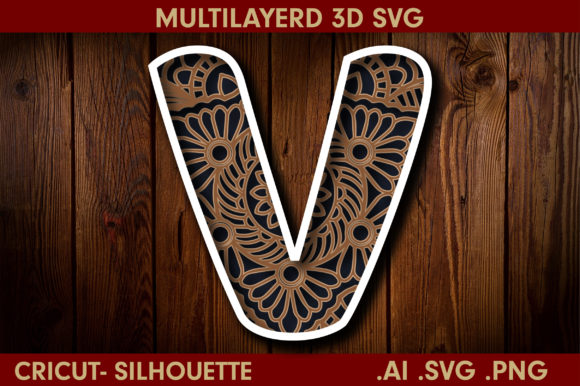
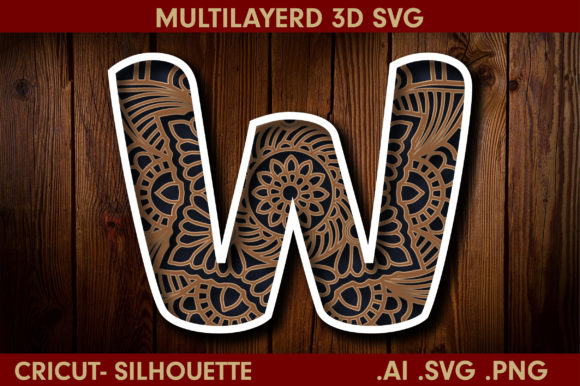
The initial impression of the 3D Multilayered Letter W Mandala is one of sophisticated complexity. The mandala style inherently suggests patience and artistry, which immediately elevates the perceived value of any handmade product. Unlike standard block letters, the organic curves within the "W" structure create a sense of movement. For an Etsy seller or boutique owner, this visual personality is crucial. It bridges the gap between traditional monogramming and modern bohemian aesthetics. However, as a designer, I note that the multilayered aspect implies high stitch density. In a digital preview, layers look crisp; in embroidery, they require careful management to prevent fabric distortion or puckering.
Real-World Application: The Custom Tote Bag Test
To truly judge this embroidery file, I mentally placed it in a real-life production scenario: creating a premium canvas tote bag design for a bridal party gift set. Canvas is unforgiving. It has texture that can swallow fine details, yet it is sturdy enough to support heavy stitching. Using the 3D Multilayered Letter W Mandala here serves as a perfect stress test.
In this scenario, the goal was to create a personalized gift that felt substantial. The letter "W" could represent a surname initial or a wedding date theme. Because the design features multiple layers, I had to consider how the fill stitch areas would interact with the canvas weave. A flat fill might get lost, but the intended 3D effect requires raised elements. This is where the design shines for custom apparel and accessories. By utilizing foam underlay or strategic satin stitch columns, the mandala lifts off the fabric, mimicking the depth seen in the original vector artwork. For a craft business, this tactile quality justifies a higher price point compared to flat embroidery.
Navigating Fabric Limitations and Hoop Constraints
While the aesthetic is versatile, practical application requires caution. Not every substrate is suitable for the 3D Multilayered Letter W Mandala. As an experienced reviewer, I must emphasize where this design should be used carefully:
- Stretchy Fabrics: On lightweight knits or performance wear, the density of a multilayered mandala can cause tunneling. Unless you are using a heavy cutaway stabilizer and potentially a topping, the fabric will distort around the dense center of the "W."
- Curved Surfaces: While beautiful, this design is geometrically rigid. Stitching it on a structured cap is risky unless your hoop size allows for perfect centering. Any rotation error in a symmetrical mandala is instantly visible.
- Sheer or Thin Materials: The stitch count required to achieve the 3D illusion is likely too high for organza or voile. Reserve this digital embroidery file for medium-to-heavyweight substrates like denim, twill, felt, or upholstery fabrics.
- Frequent Washing: If applying this to baby clothes or kitchen linens, verify the washability of the technique. Raised 3D elements can snag in washing machines. For baby embroidery, consider flattening the design slightly to ensure safety and durability.
Technical Considerations for Professional Results
Transitioning from a 3D SVG to an embroidery project involves more than just conversion; it requires interpretation. The provided files include AI and PNG formats at 300ppi with transparent backgrounds, which are excellent for creating printable mockups or verifying alignment before stitching. However, specific machine data must be validated.
Before listing a finished item in your shop, you must check the following technical specifications inherent to your specific digitized version of this design:
- Stitch Density Analysis: Open the file in your editing software. Check if the overlapping layers have adequate compensation. If the layers stack directly on top of one another without pull compensation, you risk needle breaks.
- Hoop Size Verification: Mandalas often push the boundaries of standard hoops. Ensure you have adequate clearance. A design that fits a 5x7 hoop physically may still exceed the safe stitching area once basting stitches are added.
- Thread Color Contrast: The 3D effect relies heavily on shadow and highlight. Test thread colors on both light and dark backgrounds. A tone-on-tone palette enhances the sculptural feel, while high contrast emphasizes the graphic shape.
- Licensing Confirmation: Always review the specific terms included with your download. Confirm whether you have rights for commercial embroidery of physical goods versus selling the digital assets themselves.
Enhancing Brand Value and Customer Trust
For small shop products and independent makers, consistency builds trust. The 3D Multilayered Letter W Mandala offers a distinct advantage: it looks engineered rather than generic. When a customer receives a sweatshirt or pillow featuring this level of detail, it reinforces the "handmade" narrative without looking amateur.
I recommend using the included high-resolution PNG files to create accurate design assets for your listings. Customers need to see what the texture will look like. If you are selling holiday embroidery items, photographing the actual stitched sample alongside the digital mockup helps manage expectations regarding the 3D height and texture. This transparency reduces returns and increases buyer confidence.
Final Verdict for Makers and Sellers
The 3D Multilayered Letter W Mandala is a robust asset for the serious creator. It demands respect for the medium; it is not a "set it and forget it" design for thin t-shirts. However, for structured items like tote bags, patches, jackets, and home decor, it delivers exceptional visual impact. Its adaptability from shadow box paper crafts to textile art makes it a unique hybrid in the design marketplace.
My advice is to treat this as a premium component of your catalog. Run a test stitch-out on scrap fabric identical to your final product. Evaluate the stabilization needs and the tactile finish. When executed correctly, this design transforms simple merchandise into bespoke art, validating the effort and skill that defines successful Etsy sellers and embroidery professionals. Always prioritize the integrity of the stitch-out over speed, and this mandala will serve as a cornerstone piece in your collection of finished products.