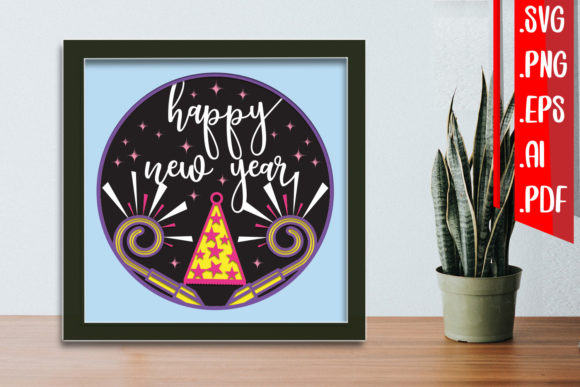
Layered New Year Papercut 10 SVG: 3D Shadow Box Asset
As a digital publisher and blog designer, my first interaction with the Layered New Year Papercut 10 SVG was an assessment of its editorial versatility. In the competitive landscape of seasonal content marketing, visual assets must do more than simply decorate; they must communicate a specific mood instantly. This particular graphic design asset strikes a sophisticated balance between festive celebration and clean, modern design. It avoids the chaotic clutter often associated with holiday graphics, offering instead a structured, artistic aesthetic that feels intentional and high-end. The immediate impression is one of crafted warmth and professional polish, making it exceptionally well-suited for lifestyle bloggers, creative entrepreneurs, and niche publishers who want their New Year content to feel curated rather than generic.
The depth inherent in this 3D SVG format creates a natural focal point that draws the eye without overwhelming accompanying text. For editorial design, this is crucial. It suggests a narrative of tradition meeting contemporary style, supporting content niches ranging from home decor and DIY crafting to personal development and goal-setting journals. When I evaluate design assets for real website use, I look for this specific type of visual hierarchy, where the art supports the headline rather than competing with it. This asset delivers that balance effectively, establishing a tone of optimistic professionalism right from the first pixel.
Integrating 3D Visuals into Editorial Workflows
In a real publishing workflow, the utility of a digital product is defined by how seamlessly it adapts across various content touchpoints. The Layered New Year Papercut 10 SVG proves to be a workhorse for multi-platform content strategies. As a featured image for blog posts focused on New Year resolutions or annual planning, the layered papercut style adds tactile texture to an otherwise flat screen experience. This texture increases perceived value, signaling to readers that the content within is thoughtful and substantial. For Pinterest pin creation, the verticality and distinct layers of the design translate beautifully, creating stop-the-scroll visuals that drive click-throughs to affiliate articles or digital guides.
Beyond standard blog graphics, this asset serves as a powerful foundation for lead magnets and content upgrades. I can envision using the PNG version as a cover element for a downloadable PDF planner or a digital guide titled "New Year Intentions." The intricate layering implies complexity and care, which enhances the perceived worth of freebies used to build email lists. For newsletter creators, the design works as a header graphic that breaks up text-heavy updates, maintaining brand identity while keeping subscribers engaged. Small business branding also benefits here; using consistent visual motifs across social media graphics, website headers, and printable design resources creates a cohesive ecosystem that builds reader trust and recognition during the busy holiday season.
Enhancing Reader Trust Through Visual Hierarchy
Content performance is inextricably linked to visual presentation. A polished aesthetic does not just look good; it functions as a trust signal. When utilizing the Layered New Year Papercut 10 SVG, publishers can leverage its inherent structure to improve visual hierarchy on content pages. The distinct separation of layers in the 3D SVG format allows for easy manipulation in vector software, enabling designers to adjust colors to match exact brand palettes. This consistency is vital for affiliate marketing pages where credibility determines conversion rates. A disjointed or low-quality graphic can undermine an otherwise authoritative article, whereas this asset reinforces a professional standard.
Furthermore, the artistic nature of this papercut design supports stronger category recognition. If your site covers seasonal crafts or yearly planning, using this specific visual style as a recurring motif helps users intuitively navigate your content archive. It transforms a standalone image into a component of a larger brand identity system. For creative marketplaces or shops selling Canva template bundles, showcasing this asset demonstrates an understanding of current design trends, positioning your offerings as fresh and relevant. The ability to deliver such high-quality visuals consistently is what separates hobbyist blogs from established digital publications.
Optimal Placement for Shadow Box Style Graphics
Understanding where to deploy this asset is as important as the asset itself. The Layered New Year Papercut 10 SVG excels in spaces that allow its detail to breathe. Hero images at the top of long-form articles are ideal, as the width accommodates the panoramic nature of many papercut designs. Editorial accents within sidebar widgets or as dividers between content sections also work well, provided there is sufficient white space. For those creating physical products, this file is perfectly optimized for shadow boxes, translating digital precision into tangible art. Digital applications should mimic this spaciousness; use it in newsletter headers, eBook covers, and social media previews where the resolution remains crisp and the composition uncluttered.
However, strategic restraint is necessary. This design should be used carefully in small mobile thumbnails where intricate details may blur into visual noise. Avoid placing it against busy backgrounds or low-contrast surfaces that negate the shadow effects essential to its 3D appearance. It may also be less suitable for highly corporate or austere professional niches where decorative elements could be misinterpreted as frivolous. In text-heavy blog images, ensure the papercut does not obscure readability. The goal is enhancement, not distraction. Always prioritize the user’s reading experience over decorative flourish, ensuring the asset serves the content’s primary objective.
Publisher Notes on Technical Execution and Licensing
Before integrating this asset into monetized websites or paid content products, thorough technical vetting is required. Your file will be delivered as an instant digital download, typically arriving as a zip file containing SVG, EPS, AI, PNG, and PDF formats. This variety is excellent for cross-platform compatibility, but it demands proper file management. Always test the SVG on both desktop and mobile screens to ensure scaling behavior is correct; some browsers render complex vectors differently. Check the file size for web performance; while vectors are generally lightweight, intricate papercut designs can contain thousands of anchor points. Simplify paths if necessary to maintain fast load times, as site speed directly impacts SEO and user retention.
Typography pairing is another critical consideration. Preview the design inside your actual blog layout alongside your chosen fonts. This papercut style pairs exceptionally well with elegant serif fonts for a traditional editorial look or clean sans-serif typefaces for a modern aesthetic. Test contrast ratios rigorously, especially if overlaying text directly onto the graphic. Finally, and most importantly, confirm the commercial license terms before use. While this listing provides the design files, verifying your rights to use it in affiliate marketing, client work, or digital products for sale is non-negotiable. Respecting intellectual property protects your business and supports the creative design community. By treating this asset with professional diligence, you ensure it elevates your publishing efforts safely and effectively.