Sunflower 3D Layer Mandala: An Embroidery Review
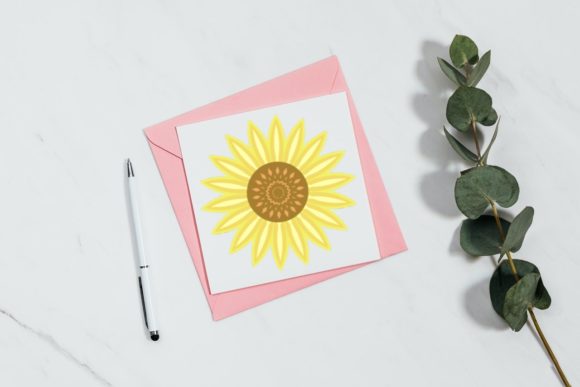
As a designer who constantly bridges the gap between digital assets and tangible textiles, I approach every new file with a specific question: will this actually translate to thread? When I first opened the Sunflower 3D Layer Mandala, my immediate impression was one of structured elegance. Originally marketed as a Paper Cut Pattern with five distinct layers for crafting cards and gifts, this design possesses a geometric clarity that screams potential for textile adaptation. The mandala style offers a natural symmetry that is incredibly forgiving in embroidery, while the sunflower motif brings an organic warmth that prevents the piece from feeling too rigid or mathematical.
For those of us in the industry, whether running an Etsy shop or managing a commercial embroidery business, the transition from a 3D SVG intended for paper to a machine embroidery design requires careful consideration. The layered nature of this file suggests depth, which is exactly what we want to replicate using stitch density rather than physical paper stacking. Visually, it strikes a balance between intricate detail and bold readability, making it a strong candidate for products that need to be recognized from a distance.
Real-World Application: The Custom Tote Bag Test
To truly evaluate this asset, I mentally placed it into a current client project: a series of personalized tote bags for a botanical garden’s gift shop. This scenario is the ultimate stress test for any floral embroidery file. A tote bag design needs to withstand the texture of canvas, maintain visual integrity when the bag is slumped or filled, and appeal to customers looking for a high-quality handmade product.
The Sunflower 3D Layer Mandala fits this use case exceptionally well because of its radial composition. Unlike linear floral sprays that can get lost on textured fabrics, the mandala’s circular geometry anchors the eye. In my assessment, the five-layer structure translates beautifully into varying stitch types. You could utilize a running stitch for the innermost details to mimic the delicate paper cut lines, graduate to fill stitches for the mid-layers to create volume, and employ a satin stitch border on the outer petals to define the shape against the canvas weave. This variation in texture mimics the 3D effect of the original paper art without adding excessive bulk that might distort the fabric.
Furthermore, for small business owners and creative entrepreneurs, this design offers excellent versatility for merchandise. It is substantial enough to serve as the primary graphic on a sweatshirt embroidery project but balanced enough to work as a large embroidered patch for denim jackets. The "sunflower" theme also taps into evergreen market trends, ensuring that inventory featuring this design remains relevant across seasons, particularly for summer markets and autumn harvest sales.
Navigating Fabric Limitations and Technical Constraints
While the aesthetic is promising, practical application requires caution. Because this design originates from a layered paper concept, the digitized version likely contains distinct separation lines between layers. On stable fabrics like twill, canvas, or denim, these lines provide crisp definition. However, I would advise extreme care when applying this to stretchy knits or lightweight baby clothes.
If you are planning baby embroidery or apparel on jersey knit, the multiple layers and potential density changes can cause puckering if the stabilizer strategy isn't perfect. The "3D" aspect implies overlapping elements; in thread, this means cumulative density. On a thin t-shirt, this could result in a stiff, bulletproof patch of stitching that drapes poorly. For these lighter applications, I recommend testing a modified version where some fill areas are converted to lighter tatami fills or even removed entirely to reduce stitch count.
Additionally, consider the hoop size relative to the detail level. Mandalas often feature fine inner points. If you are scaling this down for a cap or a small pocket logo, verify that the smallest gaps between layers remain open after stitching. Thread has thickness that vector lines do not; what looks like a clean separation in a PNG preview might merge into a solid blob once stitched at two inches wide. Always run a sew-out on scrap fabric that matches your final substrate before committing to a production run.
Elevating Product Value and Customer Perception
In the competitive landscape of Etsy sellers and craft businesses, perceived value is everything. The Sunflower 3D Layer Mandala contributes to a premium feel because of its complexity. Customers intuitively understand that a multi-layered, symmetrical design takes more time and skill to produce than a simple outline flower. This justifies a higher price point for finished goods.
From a branding perspective, this design serves as a reliable anchor for shop aesthetics. Its structured yet natural vibe works for boutique branding that leans towards modern farmhouse, boho-chic, or artisanal styles. When creating printable mockups or digital product previews, the clean lines of the SVG format allow for easy color swapping to match seasonal palettes without losing the design's identity. This consistency helps build buyer engagement and trust; customers know what to expect from your brand when they see this recognizable quality of work.
For those selling digital embroidery files or design assets, this mandala is a valuable addition to a catalog because it solves a problem for other makers: finding floral designs that aren't overly cutesy or traditional. It appeals to the modern maker demographic looking for sophisticated, gender-neutral, or ageless motifs suitable for everything from kitchen towels to holiday gifts.
Essential Designer Notes for Successful Execution
Before you load this file into your machine or list a product featuring it, adhere to these professional best practices:
- Verify Licensing and Formats: The product description confirms PNG and SVG formats ideal for paper crafts. Ensure you have the correct machine embroidery file format (PES, DST, JEF, etc.) and confirm the license permits commercial use on finished products or digital resale.
- Test Contrast on Dark Fabrics: Sunflowers typically rely on yellow and brown tones. On dark navy or black fabric, ensure there is sufficient contrast between layers so the mandala doesn't disappear. You may need to add a light underlay or adjust thread colors to maintain the 3D separation.
- Stabilizer Selection is Critical: Due to the layered nature, treat this as a dense design. Use a cut-away stabilizer for apparel to prevent distortion over time, and consider a topping for textured fabrics like tea towels to keep the running stitch details visible.
- Mockup Realism: When presenting this to clients, avoid flat digital renders. Show how the layers interact with fabric texture. A realistic mockup manages customer expectations regarding the tactile difference between paper art and thread.
- Check Small Detail Integrity: Inspect the center of the mandala. If the paper cut pattern has tiny slivers between layers, these may need to be widened in your embroidery software to prevent needle breaks or thread shredding during production.
Ultimately, the Sunflower 3D Layer Mandala is a robust design asset that rewards thoughtful preparation. By respecting the technical differences between paper and thread, and by selecting appropriate applications ranging from custom apparel to home decor, you can transform this beautiful pattern into a profitable and professionally executed embroidery project. Whether you are crafting a personalized gift or scaling up for commercial embroidery, this design offers the structural beauty and thematic appeal necessary to stand out in a crowded handmade marketplace.