A2 Pop-Up Spooky Cat Card: An Embroidery Designer's Review
Translating Paper Mechanics to Stitched Textiles
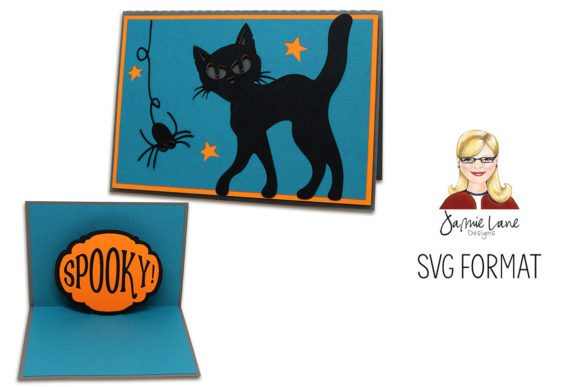
As a designer who constantly bridges the gap between digital assets and tangible goods, I approach every new file with a specific question: how will this actually behave under the needle? When evaluating the A2 Pop-Up Spooky Cat Card, my first impression is dominated by its structural intent. Originally conceived as a 3D SVG for paper crafting, this design possesses distinct geometric lines and layered elements that translate surprisingly well into mixed-media embroidery. The mood is undeniably Halloween, but it avoids the overly gory or juvenile aesthetic that often limits commercial appeal. Instead, it offers a whimsical, vintage-inspired silhouette that feels appropriate for a broader demographic.
For an embroidery project, the "pop-up" aspect requires reinterpretation. We cannot replicate paper hinges with thread, but we can mimic the depth through applique design techniques and strategic layering. The visual personality here is crisp and defined, which is exactly what I look for in a machine embroidery design intended for retail. It does not rely on shading gradients that might get lost on fabric; rather, it uses bold shapes that read clearly from a distance. This clarity is essential when adapting a digital product meant for screens or paper into a physical handmade product.
Real-World Application: The Boutique Tote Bag Test
To truly evaluate this asset, I mentally placed it into a current client request: a line of autumn-themed tote bags for a local boutique. The shop owner wanted something festive but reusable year-round, avoiding cheap-looking holiday clichés. The A2 Pop-Up Spooky Cat Card fit this brief because of its architectural quality. In this scenario, I envisioned the cat element as a standalone embroidered patch or a direct-to-garment application on natural canvas.
When stitching this onto a heavyweight cotton tote bag design, the original paper layers serve as perfect guides for fabric appliqué. The base shape provides excellent coverage without excessive stitch density, keeping the bag flexible rather than stiff. For the pop-up mat elements, I would utilize a textured linen or velvet scrap to create actual tactile depth, replacing the paper fold with material contrast. This adaptation transforms a simple graphic into a premium custom apparel accessory. Customers respond to this level of intentionality; they see a thoughtfully constructed piece rather than a generic clip-art dump. As an Etsy seller or small shop product creator, this distinction justifies a higher price point and builds brand consistency.
Navigating Fabric Limitations and Hoop Constraints
While the design is versatile, practical judgment dictates where it should not be used. Because this asset originates from a papercraft format, the lines are precise and unforgiving. This makes it challenging for highly textured fabrics like terry cloth or chunky knits, where fine running stitch details might disappear. If you are planning baby embroidery on ribbed onesies or fleece blankets, the intricate edges of the cat’s features may require simplification or a heavier satin stitch border to prevent sinking.
Hoop size is another critical consideration. The finished dimensions are noted as approximately 4-1/4 x 5-1/2 inches. This fits comfortably in standard 5x7 hoops, making it accessible for most home machines. However, if you attempt to resize this down for a cap or hat, caution is necessary. Curved surfaces distort straight lines, and the geometric precision of this spooky cat could look warped on a structured baseball cap. Similarly, stretchy performance fabrics pose a risk; unless you use significant stabilizer and potentially a topping, the registration between the appliqué layers and the outline stitches may shift. Always verify your specific embroidery file compatibility before committing to a bulk run of custom apparel.
Elevating Perceived Value Through Strategic Detail
The difference between a hobbyist craft and a professional finished product often lies in execution. Using the A2 Pop-Up Spooky Cat Card effectively means respecting the interplay of thread colors and fabric texture. For commercial embroidery projects, I recommend testing high-contrast combinations first. A black cat on orange fabric is classic, but consider how a cream thread on charcoal wool elevates the design for a sophisticated holiday gift. The visual appeal relies on clean edges; therefore, checking your tension and ensuring your blade is sharp for appliqué cuts is non-negotiable.
From a business perspective, this design supports strong buyer engagement because it photographs well. The distinct shapes make for excellent printable mockups and digital product previews. When listing on platforms like Etsy, clear imagery of the stitched sample builds customer trust far better than a digital rendering alone. Furthermore, because the design includes separate mats and bases, it offers modularity. You could sell the full composition as a sweatshirt embroidery centerpiece, while using just the cat motif for smaller items like kitchen towels or personalized gift tags. This versatility maximizes the return on your design assets investment.
Essential Pre-Stitch Checklist for Makers
Before loading this design into your machine for a final product, adhere to these professional protocols to ensure success:
- Verify Licensing: Confirm whether your purchase includes commercial rights for selling finished physical items versus digital embroidery file redistribution. These terms vary significantly by designer.
- Stabilizer Selection: Given the layered nature of this design, use a cut-away stabilizer for knit fabrics and a tear-away for stable wovens. Test on scrap fabric first to ensure no puckering occurs around the dense satin stitch borders.
- Thread Color Contrast: Review your palette in natural lighting. What looks good on screen may lack definition on fabric. Ensure the inner pop-up mat elements have enough contrast against the base to simulate depth.
- Detail Inspection: Zoom in on the embroidery file within your software. Check for tiny jump stitches or overlapping areas that might cause thread breaks. Clean up any artifacts left over from the SVG conversion process.
- Mockup Testing: Create black and white mockups to assess value balance. If the design looks muddy without color, adjust your fill stitch patterns or thread weights before stitching.
Final Thoughts on Adaptation and Utility
The A2 Pop-Up Spooky Cat Card represents a unique intersection of digital crafting and textile art. It challenges the maker to think beyond flat embroidery and consider dimension, texture, and structure. For the creative entrepreneur, it serves as more than just a seasonal graphic; it is a foundational element for building a cohesive Halloween collection that feels curated and professional. Whether you are producing a bespoke nursery decor piece, a batch of holiday gifts, or expanding your craft business inventory, this design offers the flexibility needed for real-world application. Success lies not in the file itself, but in your willingness to adapt its paper-craft origins into the tactile language of thread and fabric. Always respect the medium, test thoroughly, and let the quality of your craftsmanship define the final outcome.