Boo Window Circle Card: 3D SVG for Halloween
First Impressions: Whimsical Structure for Seasonal Campaigns
When evaluating a new graphic design asset for a client project, my primary concern is always versatility combined with structural integrity. Upon opening the files for the Boo Window Circle Card, the immediate impression is one of playful dimensionality. This is not merely a flat vector; it is a calculated construction designed to create depth. For a recent project involving a boutique candle maker launching a spooky season collection, I needed an element that bridged the gap between digital marketing visuals and physical packaging. This asset immediately signaled potential.
The mood is distinctly nostalgic yet clean, avoiding the grunge or horror aesthetics that often limit commercial appeal. Instead, it leans into a charming, family-friendly vibe perfect for small business branding. The circular window motif acts as a natural frame, drawing the eye inward, which is a powerful psychological trigger in visual hierarchy. As a professional reviewing this for real-world application, I appreciate that the proportions are balanced. It feels substantial enough to serve as a hero graphic on a landing page but retains enough delicacy to function as an accent on a product tag. It represents a style that says "handmade" without sacrificing professional polish.
Translating Digital Vectors to Physical Retail Experiences
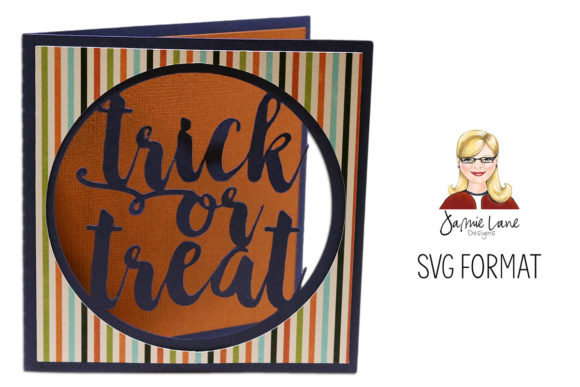
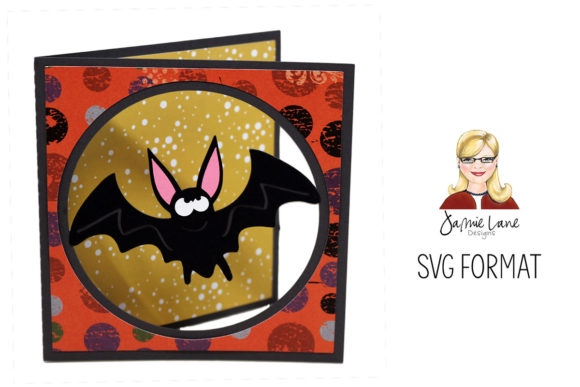
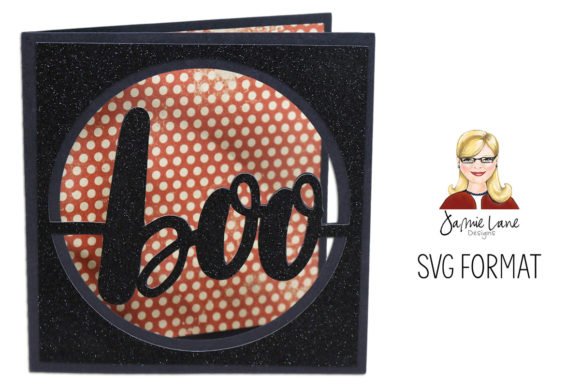
In the context of my candle brand client, the Boo Window Circle Card served as the anchor for their unboxing experience. We utilized this SVG cutting template to create interactive packaging elements. Because the file includes the card base with a circle front design cut-out, a front panel mat, an inside mat, and detail layers, it allowed us to prototype a premium insert card rapidly. This is where the asset shines brightest: in packaging design and tangible customer touchpoints.
For designers working with Cricut users or managing print-on-demand merchandise, the layering system is intuitive. I tested the assembly logic, and the registration marks align well, reducing material waste during production—a critical factor for handmade business owners watching their margins. Beyond packaging, I found this asset highly effective for Etsy product listings. By photographing the assembled card next to the candles, we created a cohesive narrative that increased perceived value. It transforms a simple product photo into a lifestyle shot, enhancing marketing visuals without requiring an expensive set build.
Strategic Placement Across Digital and Print Media
A robust design bundle must perform across multiple mediums. While this is primarily a 3D construction file, its silhouette works exceptionally well in 2D applications when flattened. I integrated the outline into social media graphics for Instagram Stories, using the circle as a mask for user-generated content. The shape provides a soft, organic alternative to standard square or rectangular frames, increasing engagement through visual novelty.
However, discernment is key. This asset excels in large layout areas, hero sections of websites, and decorative accents for editorial design. It is ideal for sticker design where the die-cut shape adds tactile interest. Conversely, I would advise against using this specific window card design for complex, text-heavy flyers or minimalist corporate stationery. The intricate cuts can become visually noisy at very small sizes, such as on a business card footer or a dense pricing table. In those instances, the visual hierarchy suffers because the detail competes with essential information. Reserve this asset for moments where you want to evoke emotion and celebration rather than convey dense data.
Technical Validation and Pre-Press Protocols
Before committing any digital product to a commercial run, rigorous testing is non-negotiable. My review process for the Boo Window Circle Card involved several stress tests to ensure it met professional standards. First, I verified the node count. Overly complex vectors can cause cutting machines to stutter or fail; fortunately, this file is optimized for smooth plotting while retaining necessary detail for the mats.
I also conducted a contrast check. When used as a PNG design overlay on dark backgrounds, ensure the internal details remain visible. If you are adapting this for sublimation design or direct-to-garment printing, test the opacity. The layered nature means shadows and highlights must be baked in correctly if you aren't assembling it physically. Furthermore, typography pairing requires attention. This asset has a distinct personality; it pairs beautifully with rounded sans-serifs or vintage display fonts but clashes with severe, geometric corporate typefaces. Always confirm the commercial license before selling finished goods derived from this template, as licensing terms dictate whether you can sell the physical card or only the digital file.
Elevating Brand Identity Through Intentional Craft
Ultimately, the value of the Boo Window Circle Card lies in its ability to humanize a brand. In an era of AI-generated imagery and generic stock assets, clients crave authenticity. This creative design element offers a tangible connection to tradition and craft. Whether you are designing a Canva template for a seasonal sale or engineering a luxury box for a high-end confectioner, this asset provides a scaffold for creativity.
It supports brand identity by offering a recurring visual motif that can be adapted throughout a campaign. Use the circle shape as a logo container for a limited-time badge. Use the window concept to reveal new products in an email newsletter. The versatility extends beyond the literal interpretation of a "card." It is a framing device, a texture generator, and a mood setter. For content creators and bloggers, it serves as excellent b-roll material or thumbnail art, signaling topical relevance instantly.
Final Verdict for Professional Designers
After thorough evaluation, I consider the Boo Window Circle Card a reliable addition to a seasonal toolkit. It solves specific problems related to dimensional paper crafting while offering enough aesthetic flexibility for digital adaptation. It respects the intelligence of the maker by providing clean, logical layers rather than a chaotic mess of ungrouped paths.
For the designer balancing speed with quality, this asset reduces ideation time. You do not have to engineer a window card mechanism from scratch; you can focus on customization and branding. Just remember to respect its limitations regarding scale and complexity. Used correctly, it elevates Halloween projects from generic to bespoke, ensuring your client’s seasonal offerings stand out in a crowded creative marketplace. It is a testament to how specialized design assets can streamline workflow while maintaining the artisanal quality that modern consumers demand.