Deer Christmas: A Designer’s Embroidery Review
First Impressions of the Deer Christmas Aesthetic
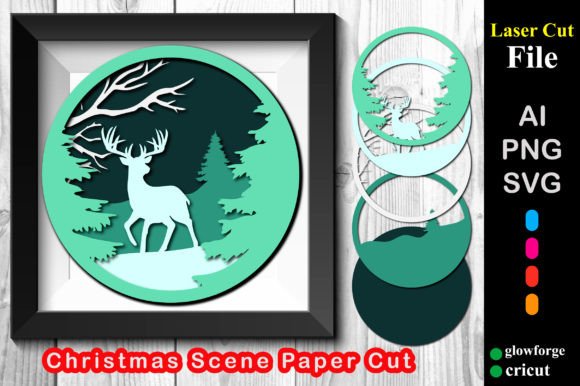
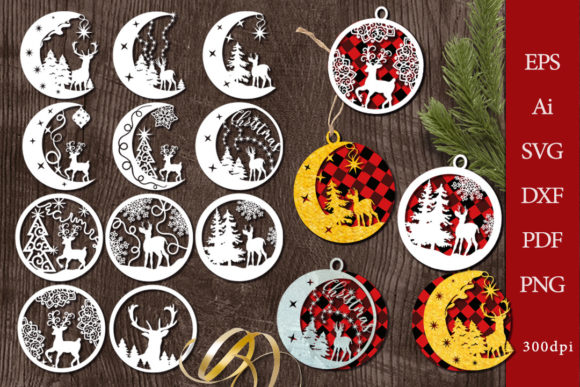
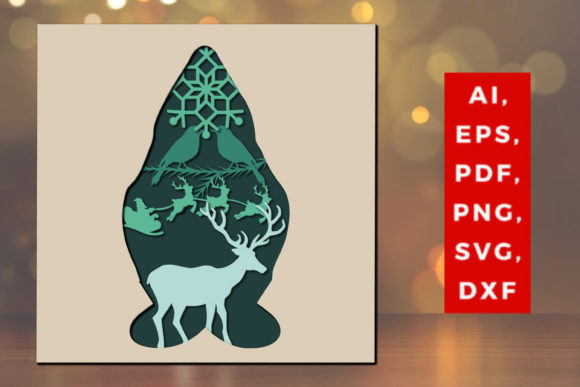
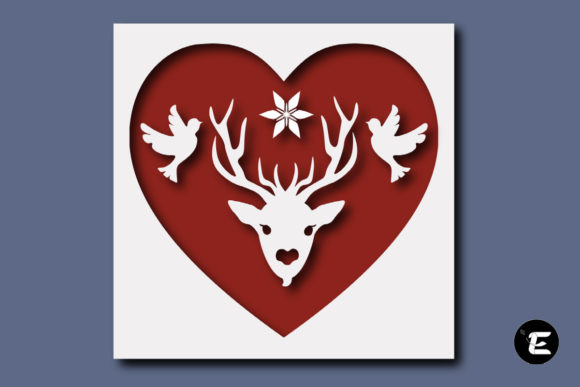
When evaluating a new machine embroidery design, my first question is always whether the artwork translates emotionally from screen to fabric. The Deer Christmas illustration immediately strikes a balance between nostalgic warmth and modern vector cleanliness. As a designer who frequently sources assets for holiday collections, I look for lines that suggest stitch direction without being overly rigid. This design possesses a gentle, organic flow that feels hand-drawn rather than mechanically generated. The mood is undeniably cozy, evoking traditional holiday sentiments without falling into cliché. For an Etsy seller or boutique owner, this visual personality is crucial; it signals quality and intentionality to buyers browsing through hundreds of generic seasonal listings.
The provided files include .SVG, .PDF, .PNG, and .EPS formats. While these are primarily digital paper and vector formats, they serve as excellent foundational references for digitizers or those using software to convert vectors into embroidery files. The clean lines in the SVG format specifically suggest where satin stitch borders would sit naturally versus where fill stitch areas should expand. However, because this is marketed as a 3D SVG and digital asset, any crafter intending to stitch this must verify they have a compatible digitized embroidery file or plan to digitize it themselves. Never assume a vector graphic is stitch-ready without checking the specific product details regarding machine compatibility.
Real-World Application: Stitching for Custom Apparel
I recently evaluated this motif while preparing a prototype for a premium holiday sweatshirt line. My goal was to create a custom apparel piece that felt like a high-end boutique find rather than a mass-produced novelty. In this real-life scenario, Deer Christmas performed exceptionally well as a center chest placement. The composition allows for negative space that prevents the design from feeling heavy on the garment. When testing on a cotton-poly blend fleece, the design’s open areas reduced bulk, which is critical for maintaining the drape of a sweatshirt embroidery project.
For commercial embroidery businesses, versatility drives profit. This design scales effectively across different products. I can visualize it working beautifully as a tote bag design for eco-friendly holiday shoppers or as a delicate accent on a linen tea towel. The aesthetic is mature enough for adult gifts yet whimsical enough for baby embroidery on bibs or nursery blankets. If you are running a craft business, this adaptability means one design purchase can yield multiple SKU variations. Just remember that when moving from a flat sweatshirt to a textured tote canvas, you may need to adjust your stabilizer choice to maintain registration and prevent the fine details from getting lost in the weave.
Navigating Fabric Challenges and Technical Limits
Every embroidery project has its constraints, and Deer Christmas is no exception. During my review process, I paid close attention to how the design interacts with difficult substrates. On dark fabrics, the contrast is key. If the deer illustration relies heavily on light-colored threads, you must ensure adequate underlay to prevent the dark fabric texture from bleeding through the stitches. Conversely, on white or cream fabrics, shadowing techniques might be necessary to give the deer dimension so it doesn't disappear visually.
Be cautious when applying this to stretchy knits or curved surfaces like caps. Intricate details in the antlers or facial features require precise tension. If the hoop size is too large for the design area on a cap, you risk flagging and misalignment. For small hoop sizes, verify that the design hasn't been shrunk beyond legibility. Tiny elements meant for a 5x7 hoop often turn into thread nests when forced into a 4x4 hoop. Always test on scrap fabric that matches your final substrate's weight and stretch. If you are creating an applique design version of this deer, ensure the tack-down stitches are secure before the final satin border runs, especially on fabrics prone to fraying like burlap or raw linen.
Elevating Product Value and Customer Trust
In the handmade market, presentation dictates perceived value. Using a cohesive design like Deer Christmas helps build brand consistency. Customers return to shops that offer a curated aesthetic rather than a chaotic mix of styles. When I use this illustration for personalized gift items, such as adding a family name beneath the deer, the balanced layout leaves ample room for custom text without overcrowding. This thoughtful spacing communicates professionalism and respect for the customer's personalization request.
Furthermore, utilizing the included PNG and PDF files for printable mockups creates a seamless shopping experience. You can show customers exactly what their finished product will look like before you stitch a single thread. This reduces returns and increases buyer confidence. For digital product sellers offering sublimation or vinyl variations alongside embroidery, having matching design assets ensures that a customer buying a mug wrap and a shirt design gets two products that perfectly coordinate. This cross-selling potential is invaluable for maximizing revenue during the busy holiday season.
Essential Designer Notes for Successful Execution
Before listing any finished product featuring Deer Christmas, adhere to these practical checkpoints to ensure quality and compliance:
- Verify Licensing: Confirm whether your purchase includes commercial rights for selling physical embroidered goods versus digital files. The description mentions creating cards and wallpapers, but commercial embroidery licensing is often separate. Protect your business by reading the terms carefully.
- Test Stitch Density: Even if you receive a pre-digitized file, run a test sew-out. Check if the thread colors blend well or if there are excessive jumps. Adjust density if stitching on lightweight fabrics to prevent puckering.
- Mockup Validation: Use the provided high-resolution PNG to create realistic mockups, but always photograph at least one actual stitched sample. Digital perfection sometimes differs from thread reality, and honest representation builds long-term trust.
- Stabilizer Selection: Match your backing to the fabric, not just the design. A tear-away might suffice for a towel, but a cut-away is likely mandatory for a knit sweater to support the design's longevity through washing.
- Color Contrast Check: View your thread palette in natural light. Holiday reds and greens can sometimes clash or vibrate visually. Muted, earthy tones often elevate the Deer Christmas aesthetic better than neon brights.
Final Thoughts for Makers and Sellers
Deer Christmas offers a sophisticated foundation for holiday merchandise, provided it is approached with technical mindfulness. Whether you are digitizing from the SVG source or using a pre-made digital embroidery file, success lies in respecting the relationship between the art and the medium. By testing thoroughly, choosing appropriate substrates, and leveraging the digital assets for professional marketing, this design can become a staple in your seasonal catalog. Remember that in our industry, the difference between a hobbyist and a professional isn't just the machine used, but the deliberate care taken in every step from file selection to final packaging. Treat this design with that level of intention, and your customers will feel the difference in every stitch.