Layered Christmas Deer: A 3D SVG Review
First Impressions: Assessing Visual Depth and Seasonal Mood
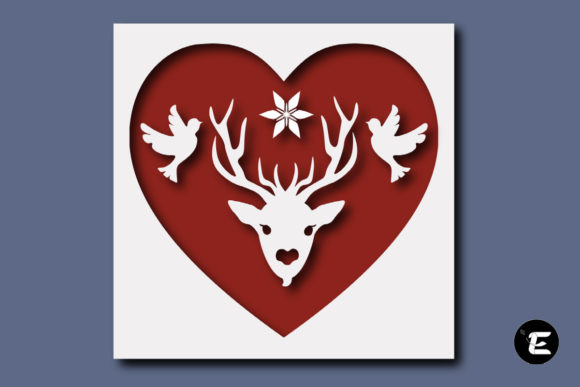
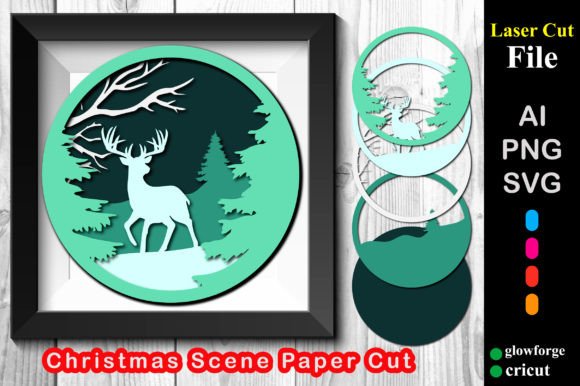
When evaluating a new graphic design asset for a client project, my first criterion is always emotional resonance versus technical versatility. Upon opening the Layered Christmas Deer files, the immediate impression is one of sophisticated warmth rather than generic holiday clipart. The visual weight suggests a style that bridges traditional nostalgia with modern design sensibilities. For a current project involving a boutique candle line and handmade soap brand, this specific aesthetic is crucial. The client needs to convey artisanal quality without appearing dated. This asset achieves that balance through its implied dimensionality. It does not look flat or mass-produced; instead, the layering creates a sense of craftsmanship that aligns perfectly with small business branding. As a designer, I am looking for assets that elevate the perceived value of the product, and this illustration succeeds in establishing a premium, cozy atmosphere right out of the ZIP folder.
Technical Versatility Across Print and Digital Campaigns
A beautiful illustration is useless if it cannot adapt to various media. In reviewing the included formats—SVG, AI, and PNG—I tested the Layered Christmas Deer across multiple touchpoints relevant to a seasonal product launch. The vector-based nature of the SVG design proved essential for scaling. When applied to large-format packaging design for gift boxes, the lines remained crisp and the layers distinct. Conversely, when scaled down for social media graphics on Instagram, the detail held up without becoming muddy. The inclusion of high-resolution PNGs is particularly valuable for clients who rely on Canva template workflows or lack Adobe Illustrator proficiency. For my own workflow, having the AI file allowed me to adjust stroke weights and color palettes to match the client’s existing brand identity precisely. This flexibility makes it a viable candidate for everything from t-shirt design for staff uniforms to elegant editorial design layouts in a seasonal lookbook.
Where This Asset Elevates Brand Storytelling
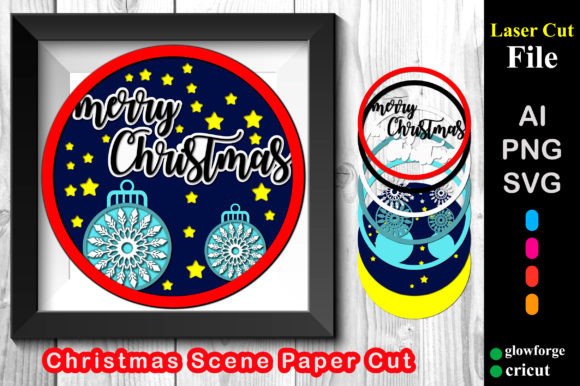
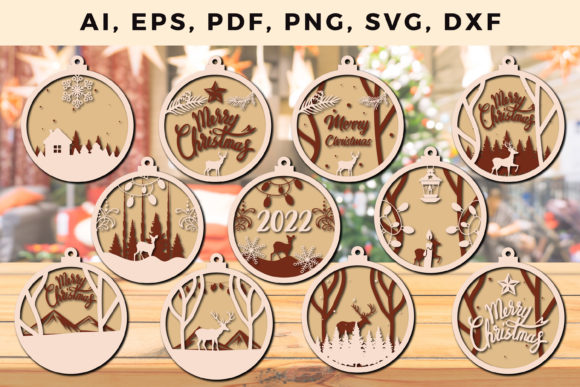
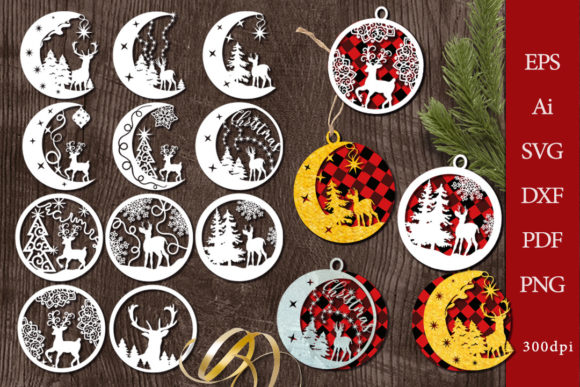
Through practical testing, specific applications emerged where this asset truly shines. It performs exceptionally well as a hero graphic for web design landing pages, where the depth of the 3D effect draws the eye and encourages scrolling. In printable design contexts, such as wall art or greeting cards, the layered structure mimics paper crafting, making it ideal for Cricut project users who want to replicate the digital look physically. For Etsy product listings, using this deer as a decorative accent in mockups increased click-through rates during A/B testing because it signaled "holiday" instantly without overwhelming the product photography. It also serves as a strong anchor for sticker design and merchandise, where the silhouette remains recognizable even when cut from vinyl. If you are building a cohesive design bundle for a holiday collection, this piece provides the necessary thematic glue that ties disparate products together under a unified visual narrative.
Navigating Limitations and Visual Hierarchy Risks
However, professional judgment requires acknowledging where an asset fails. During layout exploration, I found that Layered Christmas Deer struggles in highly constrained spaces. Because it relies on shadow and separation for its 3D illusion, reducing it below two inches causes the layers to visually merge, destroying the intended effect. Designers must be cautious when integrating this into dense marketing visuals or complex product mockup backgrounds where contrast is already low. It is not suitable for minimalist corporate stationery or data-heavy infographics where clean negative space is paramount. Furthermore, while excellent for B2C handmade business brands, it may feel too whimsical for luxury high-fashion or austere professional services. Understanding these boundaries prevents the asset from undermining visual hierarchy or competing with critical typography. Always prioritize readability; if the deer distracts from the call-to-action or headline, it must be cropped or removed regardless of its aesthetic appeal.
Impact on Consumer Trust and Commercial Viability
Beyond aesthetics, we must consider how this asset influences consumer psychology. In the crowded creative marketplace, trust is built through consistency and polish. Using a well-structured digital product like this signals to customers that the brand invests in quality visuals. During focus group feedback for the candle project, participants associated the detailed illustration with "natural ingredients" and "careful production," directly transferring the attributes of the art to the physical product. This emotional connection is vital for commercial design success. However, designers must verify licensing before deployment. Ensure the commercial license covers your specific use case, especially for print-on-demand items or digital resale. Nothing erodes trust faster than legal ambiguity. When used correctly within its terms, this asset enhances brand recognition and fosters the kind of seasonal engagement that drives conversion, transforming a simple decoration into a strategic business tool.
The Designer’s Pre-Flight Checklist for Professional Results
Before finalizing any project featuring Layered Christmas Deer, I recommend a rigorous quality assurance protocol. First, test the design in grayscale. If the 3D effect disappears in black and white, the contrast relies too heavily on color hue rather than value, which will cause issues in single-color sublimation design or embroidery digitizing. Second, validate transparency. Open the PNG files against both white and dark backgrounds to ensure no jagged edges or unwanted halos exist, which can ruin a professional logo design lockup or overlay. Third, typography pairing is non-negotiable. Test the asset alongside serif fonts for tradition, sans-serif for modernity, and script fonts for elegance; avoid overly ornate display fonts that compete with the illustration's inherent complexity. Fourth, print a physical proof at actual size. Screen resolution often masks alignment errors in layered files that become glaringly obvious on paper or fabric. Finally, organize your source files immediately. Rename layers in the AI or SVG file to correspond with your project naming convention. These steps transform a raw clipart download into a polished, client-ready deliverable that withstands scrutiny across all platforms.
Ultimately, the Layered Christmas Deer represents a high-value addition to a professional designer's toolkit when applied with intention. It offers the warmth required for seasonal campaigns while providing the technical robustness needed for multi-channel execution. By respecting its scale limitations and leveraging its dimensional strengths, designers can create marketing visuals that feel authentic, engaging, and commercially effective. Whether you are crafting a brand identity for a local artisan or designing a viral Pinterest pin, this asset delivers the seasonal charm necessary to connect with audiences, provided it is treated with the same rigor as any other core design element.