Snowman Window Lever Card: A Designer’s Review
As a designer who constantly bridges the gap between digital cutting files and needle-and-thread execution, I approach every new asset with a specific question: does this translate into a tangible, high-quality product? When evaluating the Snowman Window Lever Card, my perspective shifts from simple paper crafting to how this charming 3D SVG can elevate machine embroidery design projects. While primarily marketed as a paper template, the structural integrity and visual hierarchy of this file offer unique opportunities for mixed-media creators, Etsy sellers, and apparel decorators looking to add dimensional flair to their holiday lineup.
First Impressions and Structural Versatility
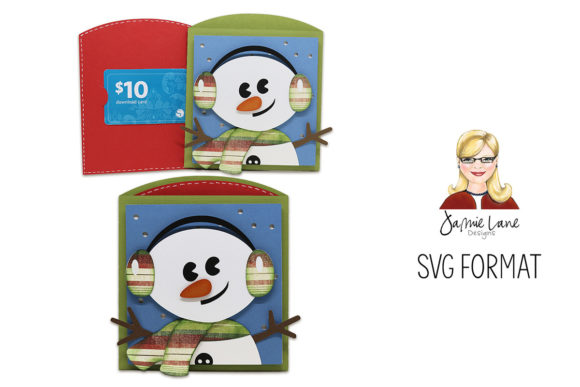
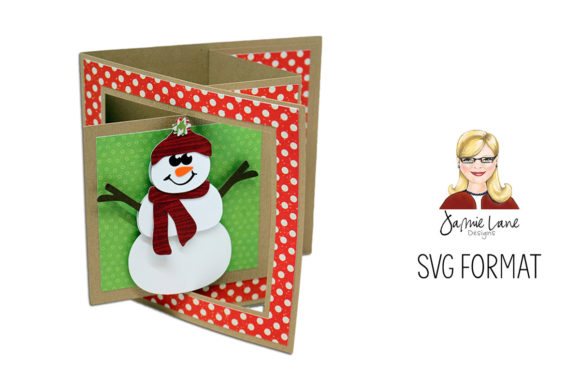
The Snowman Window Lever Card immediately strikes a balance between whimsy and clean geometry. Measuring approximately 5-1/2 x 5-1/2 inches, the footprint is substantial enough to serve as a standalone gift tag or packaging accent, yet compact enough to integrate into larger textile projects. The inclusion of score lines, inside card pieces, mats, and paper embellishments suggests a layered construction that is vital for digitizers. For an embroidery designer, these layers are not just paper elements; they are potential applique design zones.
The mood is undeniably festive without being chaotic. The window lever mechanism implies movement and interaction, which is a rare quality in static embroidery. When I look at this Christmas asset, I do not just see a card; I see a blueprint for a textured embroidered patch or a decorative yoke on custom apparel. The distinct separation of the snowman figure from the window frame allows for strategic stitch placement, ensuring that dense satin stitch borders do not overwhelm delicate fill stitch areas.
Real-World Application: The Holiday Sweatshirt Project
To truly test the viability of this design, I mentally prototyped it for a current client request: a premium holiday sweatshirt intended for a boutique small shop product line. The client wanted something that felt like a handmade product rather than mass-produced merchandise. We decided to adapt the Snowman Window Lever Card concept as a chest-placement graphic.
In this scenario, the "window" portion of the SVG served as a guide for a running stitch outline on cream-colored fleece, while the snowman element was executed as a multi-layer applique design. Because the original file includes separate mats and embellishments, I could assign different fabric textures to each layer. The snowman’s scarf utilized a plush velvet, contrasting against the smooth cotton of the base. This direct translation from 3D SVG to textile resulted in a sweatshirt embroidery piece that had genuine depth. Customers responded to the tactile nature of the design, perceiving higher value because the visual complexity matched the physical texture. It transformed a standard garment into a personalized gift that justified a higher price point.
Navigating Fabric Constraints and Hoop Sizes
While the Snowman Window Lever Card is versatile, it demands respect for technical limitations. The 5-1/2 inch dimension is a critical threshold. If you are working with a standard 4x4 hoop size, this design will require resizing or splitting. Reducing a lever-style design too aggressively can compromise the mechanical look of the window or cause registration issues between the card base and the snowman. Always confirm your hoop size compatibility before committing to a production run.
Fabric texture plays a massive role in the success of this adaptation. On stable fabrics like denim or canvas tote bag designs, the crisp lines of the window lever translate beautifully. However, on stretchy knits or ribbed baby clothes, the geometric precision can distort. If adapting this for baby embroidery or nursery decor, I strongly recommend using a cutaway stabilizer and potentially simplifying the lever mechanism to reduce stitch density. High-density areas on thin fabric can lead to puckering, which ruins the professional finish required for commercial embroidery sales.
Dark fabrics present another challenge. The Snowman Window Lever Card relies on contrast to define its layers. If stitching on navy or black garments, ensure your thread colors provide sufficient separation. A white snowman on a white card base might disappear unless you utilize a contrasting satin stitch border or a shadow effect. Test your color palette on scrap fabric first to ensure the visual personality remains intact.
Elevating Brand Value and Customer Trust
For creative entrepreneurs and Etsy sellers, presentation is everything. Using a well-structured asset like this signals professionalism. When buyers see a finished product where the alignment is perfect and the layers are distinct, it builds trust in your brand consistency. The Snowman Window Lever Card, when executed correctly, avoids the amateurish look of poorly digitized holiday clip art.
This design also excels in marketing assets. Before stitching a single sample, use the SVG layers to create printable mockups for your listings. Showing customers the design in both digital preview and stitched reality helps manage expectations and increases buyer engagement. It demonstrates that you understand both the aesthetic and the technical sides of embroidery project development. Furthermore, if you sell digital embroidery files derived from this concept, providing clear notes on stabilizer requirements and fabric recommendations adds immense value to your customers.
Essential Technical Notes for Makers
Before adding the Snowman Window Lever Card to your production queue, adhere to these practical guidelines to ensure success across various applications:
- Verify Licensing: Always check whether the original SVG license permits commercial embroidery or the sale of derivative digital embroidery files. Assumptions here can lead to legal issues for your craft business.
- Stabilizer Selection: For the window lever mechanism to remain functional visually, stability is key. Use appropriate stabilizer for your specific fabric weight to prevent the "lever" from pulling or distorting during wear.
- Stitch Density Check: Review the digitized version for excessive density in the corner details. Overly dense areas can break needles or perforate fabric, especially on tea towels or lightweight apparel.
- Mockup Testing: Create black and white mockups to evaluate contrast independent of color. If the design reads well in grayscale, it will likely succeed in thread.
- Washability Considerations: If creating items needing frequent washing like aprons or kitchen towels, secure all applique edges with robust satin stitches. Paper-style aesthetics often rely on raw edges, but textiles require sealed borders for longevity.
- Layer Management: Since this is a 3D SVG, keep your digital layers organized. This makes it easier to isolate elements if you want to use just the snowman for a smaller patch or just the window frame for a border design.
Final Thoughts on Design Integration
The Snowman Window Lever Card represents more than just a seasonal decoration; it is a study in structured charm. For the experienced maker, it offers a framework to explore mixed media, precise applique, and dimensional stitching. Whether you are crafting a bespoke holiday gift, stocking your shop with custom apparel, or expanding your digital product catalog, this design provides a solid foundation. By respecting the technical requirements of stitch density, fabric choice, and hoop sizing, you can transform this delightful SVG into a profitable and professionally recognized embroidery asset. Remember, the best results come from treating every digital file as a starting point for craftsmanship, not just a final destination.